
Acupuncture, Chinese Medicine & Natural Health
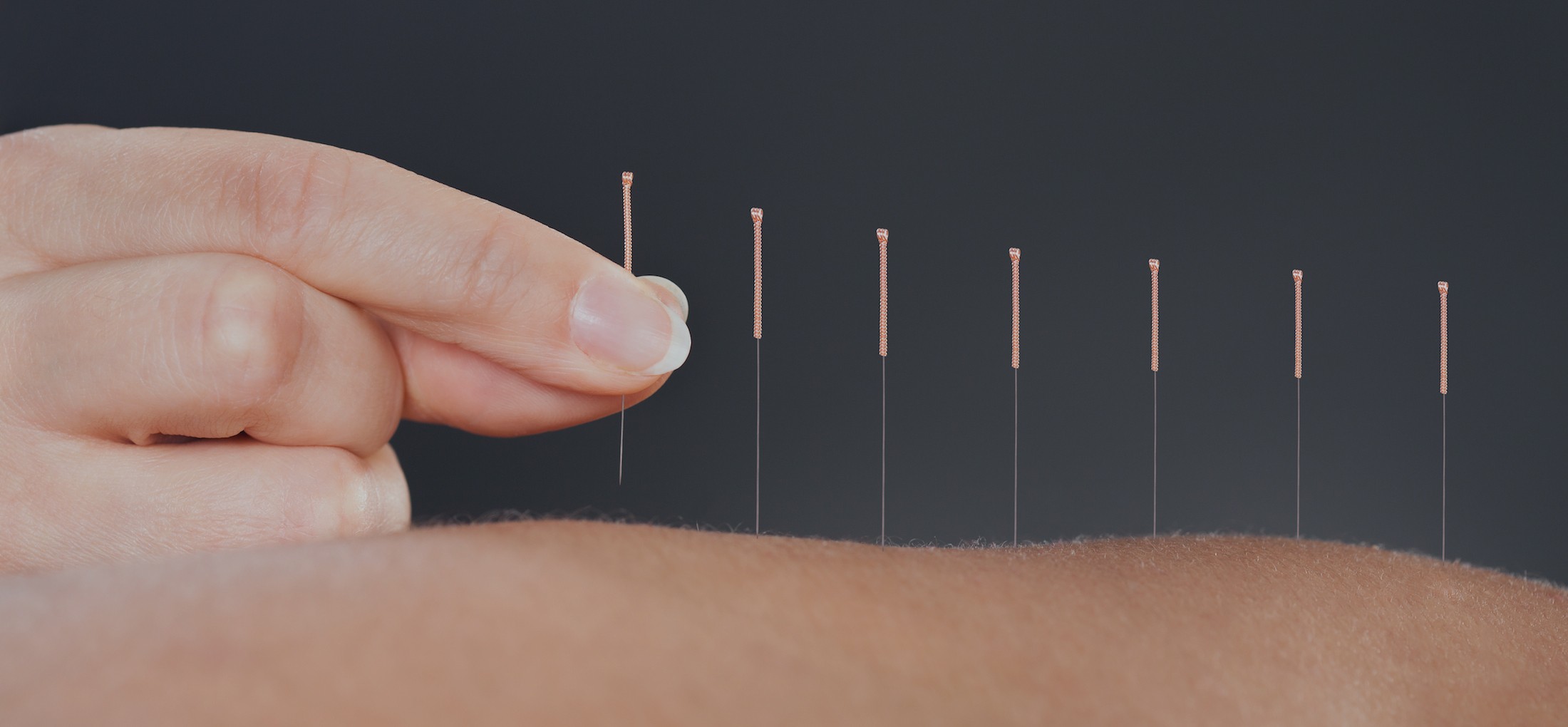
Gentle, individualized care that looks at the broader picture
Acupuncture at Ridiculously Well is provided by Dimity Davis, a registered Acupuncturist and Chinese Medicine practitioner.
Dimity practises a gentle form of classical acupuncture influenced by extensive training in Kiiko Style Japanese acupuncture. Rather than following the same treatment formula for everyone, she uses your health history together with pulse, abdominal and body palpation, tongue assessment and other findings to guide each treatment.
She uses very fine needles and may also incorporate moxibustion, Chinese herbal medicine, electroacupuncture, low-level laser, infrared or red-light therapy, cupping and gua sha, depending on the individual.
A strong part of Dimity’s approach is also helping people understand the lifestyle factors that may support their health between appointments.
Why do people see Dimity?
People come to Dimity for many different reasons. Acupuncture isn’t simply another treatment for sore muscles.
Stress, sleep & fatigue
Dimity commonly works with people experiencing:
- stress and feeling persistently “switched on”
- difficulty sleeping
- fatigue and low energy
- persistent pain and muscular tension
- periods of physical or emotional overload
Her treatment style is deliberately gentle and many people find the treatment experience itself deeply relaxing.
Women’s health
Dimity has a particular interest in supporting women through different stages of life, including:
- menstrual health
- fertility
- pregnancy and postpartum support
- perimenopause
- menopause
She also has a strong personal interest in helping women consider lifestyle and health choices as they age, including factors associated with maintaining long-term brain and cognitive health.
Persistent & complex health conditions
Dimity also has a particular interest in working alongside people living with complex or chronic health conditions, including:
- post-viral fatigue
- ME/CFS
- Long COVID
- POTS and dysautonomia
- Functional Neurological Disorder
- autoimmune conditions
- peripheral neuropathy
In these situations, acupuncture and Chinese Medicine form part of supportive care and do not replace appropriate medical assessment or treatment.
Neurological rehabilitation
Dimity uses traditional acupuncture and, where appropriate, electroacupuncture as part of her work with people undergoing neurological rehabilitation, including people recovering following stroke and those living with neurological conditions such as Parkinson’s disease.
At Ridiculously Well this can also involve collaboration with other members of our multidisciplinary team.
Cancer treatment & recovery
Dimity also has an interest in oncology acupuncture, supporting people during and following cancer treatment.
This is complementary care and is provided alongside—not as an alternative to—appropriate oncology and medical treatment.
Pain, injury & rehabilitation
Musculoskeletal pain remains an important part of Dimity’s practice.
People may consider acupuncture for presentations involving:
- back and neck pain
- headache and migraine
- persistent pain
- sports and overuse problems
- muscular pain and tension
- joint pain and stiffness
- scar pain
Acupuncture may be used on its own or alongside physiotherapy, chiropractic, osteopathy or remedial massage when another perspective could complement someone’s overall management.
Children
Not every acupuncture treatment involves needles.
For children, Dimity can also use gentle approaches including low-level laser and Shonishin, a Japanese pediatric technique that uses specialized non-inserting instruments rather than conventional acupuncture needling.
What happens at your first appointment?
Before your first visit, Dimity asks you to complete a detailed health questionnaire so she can begin building a picture of what’s happening.
During the consultation she’ll explore your health history and current concerns in more detail and may assess your pulse, tongue and abdomen, together with reactive areas elsewhere on the body.
Treatment is then individualized according to what she finds.
Depending on your presentation, this may include acupuncture and other techniques such as moxibustion, electroacupuncture or laser. Chinese herbal medicine may also be discussed where appropriate, at additional cost.
You’ll often leave with practical lifestyle suggestions relevant to your individual presentation.
Acupuncture isn’t Dry Needling
Although both approaches use fine needles, Traditional Acupuncture and Dry Needling are not the same thing.
Dry needling is primarily a musculoskeletal technique used by appropriately trained practitioners at Ridiculously Well as part of treatment for pain, muscle tension or movement problems.
Dimity is an AHPRA-registered Acupuncturist and Chinese Medicine practitioner, and acupuncture is part of a much broader system of assessment and care.
Acupuncture through Support at Home
Eligible Support at Home clients may be able to access acupuncture as part of their funded care.
Dimity currently works with older people through these arrangements, including people living with neurological and other chronic health conditions.
Ask our team about eligibility and how acupuncture may fit within your Support at Home plan.